Microsoft Store
ABOUT THE KAROLINA CHOCOLATE RECIPE CONTESTS: • Each month between now and December 31, 2012, you will have one month to submit recipes. • Each recipe must state which cacao percentage was used and why. JUDGING CRITERIA: One (1) Grand Prize winner will be selected by a panel of qualified judges, whose decisions are final and binding on all matters related to this Contest, within 20 days of the end date of the Contest Period, from among all eligible entries received during the Contest Period. • Judging for which entrant with the best recipe will be based on the following judging criteria: (a) originality; (b) complexity of flavor profile; and (c) presentation. • The entrant with the highest score will be deemed the Grand Prize winner. In the event of a tie, the entrant with the highest score in the taste/flavor criteria from among the tying entrants will be deemed the Grand Prize winner. Potential Grand Prize winner will be notified by telephone or email within approximately one (1) week following winner selection. • A Karolina Chocolate Recipe Book will be created by our winners! The winner’s bios will be listed along with their recipe. All winning recipes will be available on this blog. • PRIZE AND APPROXIMATE RETAIL VALUE (“ARV”): One (1) Grand Prize - $150.00, awarded in the form of Sponsor-specified Karolina products and one Karolina Chocolate Recipe Book when completed and published. SEE OFFICIAL CONTEST RULES AT THE BOTTOM OF THIS PAGE Send all entries to: contest@karolinacacao.com


FA

FavorAffair.com (The Shops at 24Seven)

Monday, June 13, 2011

The West Coast Chocolate Festival!


The West Coast Chocolate Festival

runs annually from October 15th to November 10th. Opening with Panache, October 15, at the Renaissance Vancouver Hotel Harbourside, over 160 events continue through until November 10. Join us November 7th, at the Port Moody Galleria, with a Chocolate Reception, Chocolate History and afternoon of entertainment, food, beverages and family fun. Mackin Heritage House and Toy Museum, Coquitlam, is Chocolate Festival Headquarters - with a chocolate themed event every afternoon, and most evenings.


What is the West Coast Chocolate Festival?


First launched in 2002, the West Coast Chocolate Festival is a unique and innovative collection of individual high calibre chocolate-themed adult and all-ages events that occurred throughout the Tri-Cities area of Coquitlam, Port Moody and Port Coquitlam. In 2009, the festival expanded to Burnaby and Vancouver, then expanding across the Lower Mainland in 2010. Reflecting emerging trends such as culinary tourism, experiential travel, small affordable indulgences and a rapidly increasing appreciation of the healthy benefits of good chocolate, festival events celebrate the magic of chocolate and appeal to the senses and the soul while attracting guests from surrounding cities, the BC Lower Mainland and beyond. With chocolate as a powerful draw, the festival leverages events to bring people of all ages and cultures together, to raise awareness about proper consumption and lesser-known positive benefits of the incredibly appealing food, and most importantly, to create valuable opportunities for youth mentorship in the local community.


Festival Director, Dawn Donahue, says "This not-for-profit festival remains an ambitious, dynamic, volunteer-driven operation dedicated to providing work and mentorship experiences for youth while showcasing emerging talent in the local arts and chocolate industries. The Festival offers something for everyone, and upholds the idea that adults want to support youth. At the West Coast Chocolate Festival people support youth and the arts - by just showing up for chocolate".

Sunday, June 12, 2011

Hershey: Cocoa polyphenols show weight management potential

Hershey: Cocoa polyphenols show weight management potential


Post a commentBy Stephen Daniells, 05-May-2011


Extracts from cocoa may block carbohydrate and lipid breakdown in the gut, and aid weight management, says a new study from Hershey.


The 1st report that cocoa polyphenols may aid weight management

Scientists from the Hershey Center for Health and Nutrition and the Pennsylvania State University report that polyphenols from cocoa inhibited various digestive enzymes in a dose-dependent manner, meaning the more consumed, the greater the effect.


“The present study provides the first evidence that cocoa extracts and cocoa procyanidins are potent inhibitors of key enzymes in the digestion of carbohydrates and lipids in vitro, and these inhibitory activities are related to polyphenol content in cocoa extracts,” wrote the authors in the Journal of Agricultural and Food Chemistry.

If supported by additional research, the findings suggest that cocoa polyphenols may find a role in the burgeoning weight management market, already estimated to be worth $7bn (€5.2bn) worldwide.

With 50 per cent of Europeans and 62 per cent of Americans classed as overweight, the food industry is waking up to the potential of products for weight loss and management.

Market breakdown
The slimming ingredients market can be divided into six groups based on the mechanisms of action - boosting fat burning/ thermogenesis, inhibiting protein breakdown, suppressing appetite/ boosting satiety (feeling of fullness), blocking fat absorption, carbohydrate blocking, and regulating mood (linked to food consumption).


Cocoa’s benefits
The health benefits of polyphenols from cocoa have been gathering increasing column inches in the national media. To date studies have reported potential benefits for cardiovascular health, skin health, and even brain health.
The majority of science into the potential benefits of cocoa have revolved around cardiovascular benefits of the flavanols (also known as flavan-3-ols or catechins), and particularly the monomeric flavanol (-)epicatechin.


Study details
Led by Penn State’s Joshua Lambert, the researchers tested how cocoa extracts could affect the activity of enzymes associated with the digestion of fat and carbohydrates, including pancreatic lipase, secreted phospholipase A2, and pancreatic alpha-amylase.

Three types of cocoa were tested: A cocoa extract that underwent regular processing; an extract that underwent minimal processing (also called Lavado) that is high in flavanols; and an extract that underwent minimal processing (also called Dutch-processed) that is low in flavanols.

“Among three cocoa extracts, lavado (meaning ‘washed’ in Spanish) cocoa undergoes the least processing (without fermentation or Dutch-processing), and this extract exerted the highest inhibitory activity against all three digestive enzymes,” report the researchers.

“By contrast, the Dutch-processed or alkali-treated cocoa, which is the most highly processed, showed the least inhibitory effect against the enzymes tested.

“Because it is expected that the lavado cocoa extract is the highest in polyphenols and flavanols, followed by the regular cocoa extract, and the least would be found in the Dutch-processed cocoa extract, these results suggest that the inhibitory effects of cocoa extracts are related to their polyphenol content,” they added.

The researchers said that additional in vitro studies would examine if enzyme inhibition activity of the polyphenol-rich cocoa extracts would be related to other metabolic effects and whether such effects would be achievable at doses observed from the diet.


Cocoa is not chocolate

In a recent review led by Gary Williamson from the University of Leeds but with the Nestlé Research Center at the time of the review, it was explained that: “Chocolate and cocoa are two different terms and are not interchangeable.


“Cocoa is the non-fat component of cocoa liquor (finely ground cocoa beans) which is used in chocolate making or as cocoa powder (commonly 12 per cent fat) for cooking and drinks.

“Cocoa liquor contains approximately 55 per cent cocoa butter and together this comprises cocoa solids, often referred to on chocolate packaging. Chocolate refers to the combination of cocoa, cocoa butter, sugar, etc. into a solid food product,” added the reviewers.


Source: Journal of Agricultural and Food Chemistry
“Inhibition of Key Digestive Enzymes by Cocoa Extracts and Procyanidins”

Authors: Y. Gu, W.J. Hurst, D.A. Stuart, J.D. Lambert

Wednesday, February 9, 2011

VDAY PROMO FOR BLOGGERS!

PROMOTION!!!
Bring some sweets to your July 4th Party.....

June 20th - 30th 20% off entire order!

Use promo code: 411
(valid on retail orders only, while suppllies last)


Petit French Macarons


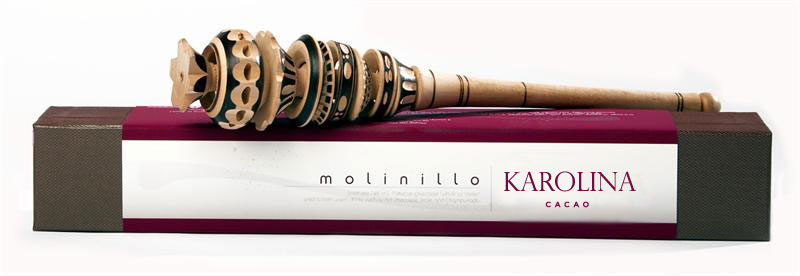
Authentic Oaxacan Molinillo
(Frother)


Chocolate Rounds


Friday, February 4, 2011

MACARONS VS MACAROONS?


What are Macarons/Macaroons? Most Americans are familiar with the coconut macaroon. I found the Macaron (with one o) in Paris all over the city. I would compare the popularity to the chocolate chip cookie of the USA. Both delicious, but very different. What is your experience with the discovery of the French Macaron?


MACARONS


Dating back to the 18th century, the macaron is a traditional French pastry, made of egg whites, almond powder, icing sugar and sugar. This sweet pastry came out of the French courts' baker's oven as round meringue-like domes with a flat base. Macarons, also anglicized "macaroons", are not to be confused with a similar pastry also called macaroons. Macarons are sandwich-like pastries made with two thin cookies and a cream or ganache between the cookies. Macaroons, on the other hand, are dense cookies made either with coconut or with a coarse almond paste. Macarons come in a wide variety of flavors varying by store and season; ranging from traditional to exotic. At the Versailles Court in Paris, members of the Dalloyau family, whose descendants later founded the gastronomy house of the same name, served macarons to royalty in the then ruling House of Bourbon. In the 1830s macarons were served two-by-two with the addition of jams, liqueurs, and spices. The macaron known today is the "Gerbet" macaron, born in the 1880s in the Beleville neighbourhood of Paris. The double-decker macaron filled with cream that is popular today was invented by the French pâtisserie Ladurée.


MACAROONS


Macaroons are sweet foods made either with coconut and egg white or with a coarse almond paste formed into a dense cookie or confection. They are often confused (due to the very similar spelling) with the French Macarons which are entirely different in appearance. The English word macaroon comes not from the French macaron, but from the word maccarone, regionally used in Italy to refer to maccherone (kind of pasta, with a hole and a larger diameter than bucatini) - because almond macaroon paste is the same colour as macaroni pasta. Macaroon cookie biscuits often use egg whites (usually whipped to stiff peaks), with ground or powdered nuts, most commonly coconut but sometimes almond. Almost all recipes call for sugar, which caramelizes and provides body and a smooth, moist texture to the macaroon. If the coconut or other fabric used is very sweet, however, the sugar may be omitted. Macaroons are commonly baked on edible rice paper placed on a baking tray. A coconut macaroon is a type of macaroon most commonly found in the United States, although invented in Govan, Glasgow, Scotland. It is a conventional macaroon with a distinct coconut flavor and containing shredded dried coconut. They tend to be closer to a soft cookie than their meringue cousins, and about as sweet. Increasingly, coconut macaroons are dipped in chocolate, typically milk chocolate. Versions dipped in dark chocolate or white chocolate are also becoming more commonly available. Nuts are often added to coconut macaroons, typically almond slivers, but occasionally pecans, cashews or other nuts. In Australia, a blob of raspberry jam is often concealed in the centre of the macaroon prior to cooking.

Wednesday, February 2, 2011

YIKES IT IS COOOOOLD! ANYONE FOR HOT CHOCOLATE?

When it is cold it is time to break out the hot chocolate.  Here is a Mayan recipe to give you a little happy in your lock down of winter.


Mayan Hot Chocolate


6 cups water or milk

1/2 cup granulated sugar

3 ounces Karolina chocolate rounds

1 teaspoon ground cinnamon

1/4 teaspoon salt

2 teaspoons vanilla

Stick cinnamon (for optional garnish)


In a large saucepan, combine milk, sugar, chocolate, ground cinnamon, and salt. Heat, stirring constantly, until the chocolate has melted and the milk is very hot. (Do not let the milk come to a boil.) Cook 2 to 3 minutes more over low heat, still stirring. Remove from heat. Add vanilla. Beat with a Karolina molinillo (frother) or a rotary beater until it is very frothy. Pour into mugs, garnish with cinnamon sticks, and serve.


Makes about 6 (8-ounce) servings.